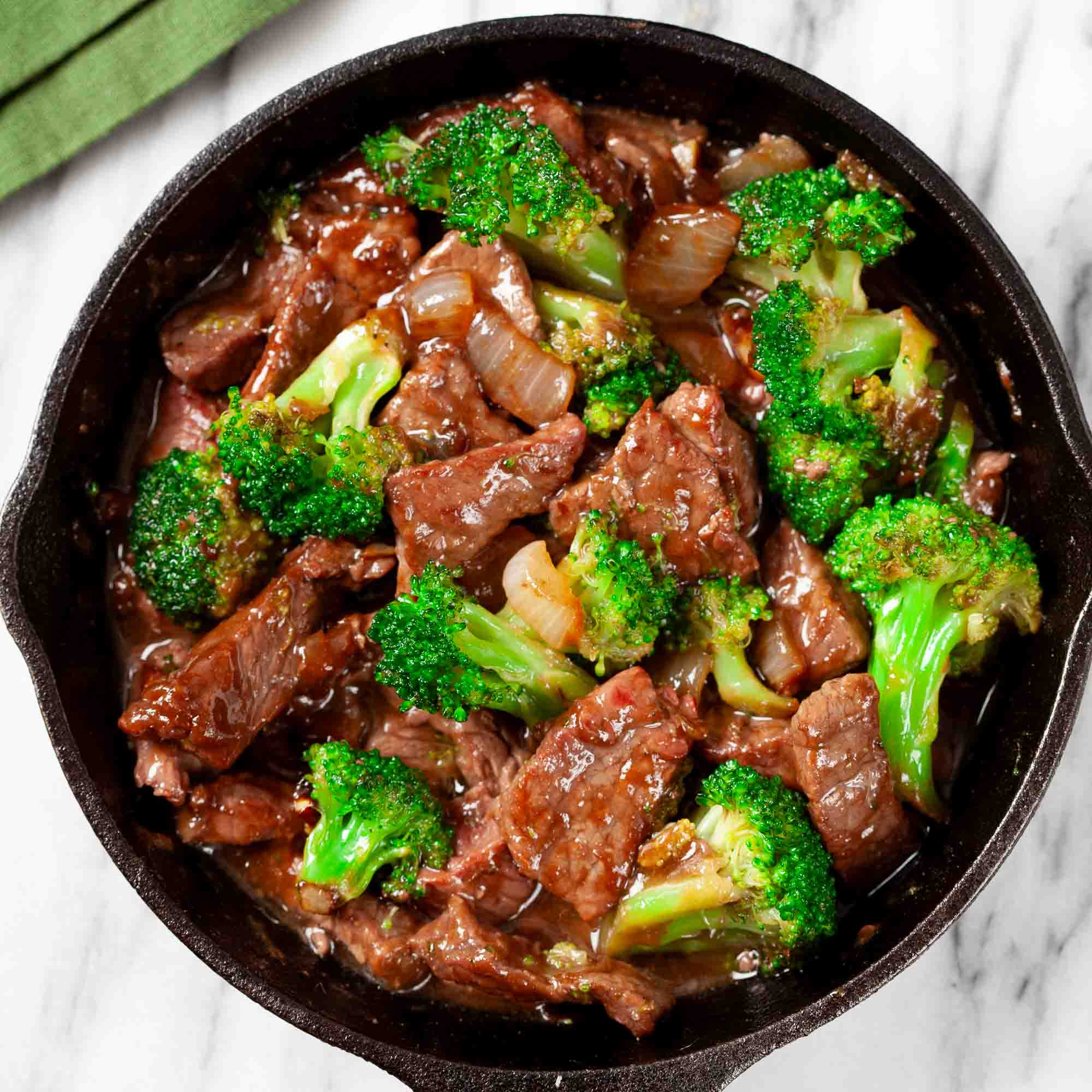
Achieve Perfect Beef & Broccoli: Blanching & Garlic Timing Tips for Takeout-Quality Stir Fry
The allure of a perfectly executed beef and broccoli stir fry is undeniable. It's a dish that graces countless takeout menus, celebrated for its succulent beef, vibrant, tender-crisp broccoli, and that irresistible savory-sweet sauce. Many of us dream of recreating that restaurant-quality experience in our home kitchens, only to sometimes fall short with either overcooked, mushy broccoli or burnt, bitter garlic. But what if we told you the secrets to achieving that elusive perfection are simpler than you think?
This comprehensive guide delves into two critical, yet often overlooked, techniques that will elevate your easy beef and broccoli stir fry to takeout-level excellence: strategic broccoli blanching and precise garlic timing. Forget the guesswork and embrace these pro tips to master a dish that’s not only delicious but also comes together surprisingly fast with simple ingredients.
The Blanching Secret: Unlocking Crisp-Tender Broccoli Perfection
One of the most common challenges in making a homemade beef and broccoli stir fry is achieving that ideal broccoli texture. We've all experienced it: broccoli that's either too raw and crunchy, or worse, limp and soggy. The key to vibrant, tender-crisp florets lies in a technique called blanching (or steaming) *before* it ever hits the stir-fry pan.
Why Blanching is a Game-Changer for Your Broccoli
Blanching broccoli before stir-frying serves several vital purposes:
- Texture Control: This is the primary benefit. By briefly cooking the broccoli in boiling water (or steam) and then shocking it in ice water, you gain precise control over its tenderness. It pre-cooks the broccoli just enough so that it finishes perfectly alongside the beef, rather than having to cook through in the wok, where it might steam or get overcooked in the sauce.
- Vibrant Color: Blanching locks in that beautiful, bright green hue. The rapid heating denatures enzymes that cause browning and dullness, ensuring your broccoli looks as good as it tastes.
- Even Cooking: Broccoli florets can vary in size. Pre-cooking them ensures they all reach a similar level of doneness, preventing some pieces from being too hard while others are too soft.
- Reduced Cooking Time in the Wok: Since the broccoli is already partially cooked, it only needs a quick toss with the sauce and beef, keeping the overall stir-fry time short and efficient.
How to Blanch Broccoli for Your Stir Fry
The process is straightforward:
- Prepare Your Broccoli: Cut your broccoli into uniform, bite-sized florets. If you're using fresh broccoli, ensure to trim any tough stems. Pre-cut florets also work wonderfully for convenience.
- Boil and Salt Water: Bring a pot of water to a rolling boil. Add a generous pinch of salt – this helps season the broccoli from within and further enhances its color.
- Blanch: Add the broccoli florets to the boiling water. Cook for 1 to 2 minutes. You're looking for them to turn bright green and be slightly tender but still have a good bite (al dente).
- Shock: Immediately transfer the blanched broccoli to an ice bath (a bowl of ice water). This stops the cooking process instantly, preserving its crisp texture and vibrant color.
- Drain and Dry: Once cooled, thoroughly drain the broccoli and pat it dry. Excess water can dilute your stir-fry sauce or cause oil to splatter.
Alternatively, you can steam the broccoli for 3-4 minutes until tender-crisp, then cool it down quickly. Whichever method you choose, this simple step is paramount to achieving that professional, restaurant-style finish.
Mastering Garlic Timing: Aromatic Flavor, Not Burnt Bitterness
Garlic is a cornerstone of most Asian stir-fries, providing an aromatic depth that is simply indispensable. However, its delicate nature means it can quickly go from fragrant to acrid if not handled correctly. In a high-heat stir-fry like beef and broccoli, especially when cooking beef, garlic timing is everything.
The Common Pitfall and Why It Happens
Many recipes advise adding minced garlic at the very beginning of the stir-fry, allowing it to "bloom" in the hot oil. While this works for dishes with longer cooking times or lower heat, it's a recipe for disaster in a beef stir-fry. Flank steak, skirt steak, or sirloin, thinly sliced for stir-frying, cooks incredibly quickly – often within 1 to 1.5 minutes on high heat. If you add garlic at the same time or before the beef, by the time your beef is seared, your garlic will likely be burnt, lending a harsh, bitter flavor that can ruin the entire dish.
The Secret to Perfect Garlic Flavor
The key to perfectly fragrant garlic in your beef and broccoli stir fry is to add it *after* you've added the beef, or even as the beef is nearing completion. Here's why and how:
- High Heat and Quick Cooking: When you add the beef to a screaming hot wok or large frying pan, it immediately begins to sear. The high heat is perfect for developing a delicious crust on the beef.
- Introducing Garlic Later: Once the beef is in the pan and beginning to cook (about 30-60 seconds in), there will be plenty of hot oil present. This is the ideal time to add your minced garlic. It will quickly release its aroma and flavor without the risk of scorching.
- Preventing Bitterness: By limiting the garlic's direct exposure to intense heat for an extended period, you allow its natural sweetness and pungency to shine, rather than developing an unpleasant burnt taste.
Pro Tip: Ensure your garlic is finely minced, not just roughly chopped. This allows for quicker flavor release and more even distribution without large pieces burning prematurely. Fresh ginger, another aromatic powerhouse, can be added at the same time as the garlic, as it also benefits from brief, high-heat cooking.
Beyond the Secrets: Elevating Your Beef and Broccoli Stir Fry
While blanching and precise garlic timing are crucial, the overall success of your beef and broccoli stir fry also hinges on quality ingredients and good technique.
Choosing the Right Ingredients
A great stir fry starts with great components:
- The Steak: Flank steak is a perennial favorite for stir-fries due to its robust flavor and fibrous texture that holds up well when sliced thinly against the grain. Skirt steak and sirloin are excellent alternatives. Ensure your beef is sliced uniformly and very thin for quick, even cooking.
- The Broccoli: Whether you choose whole heads and cut your own florets or opt for convenient pre-cut bags, ensure your broccoli is fresh and firm.
- The Sauce Foundation: A homemade sauce is what truly sets your stir fry apart.
- Soy Sauce: Low-sodium soy sauce is recommended for better control over saltiness, or tamari for a gluten-free option.
- Oyster Sauce/Hoisin: These add a rich, umami depth and a touch of sweetness.
- Rice Wine Vinegar: Unseasoned rice vinegar provides that essential tangy balance without added sugar.
- Cornstarch: A crucial thickener for achieving that glossy, clingy sauce texture. Arrowroot powder or potato starch are suitable alternatives.
- Aromatics & Oils: Don't skimp on fresh garlic and ginger – their quality makes a significant difference. Use a neutral high-smoke-point oil like avocado oil for stir-frying, and a drizzle of toasted sesame oil at the end for flavor.
- Seasonings: Simple salt and pepper, with optional red pepper flakes for a touch of heat, are all you need.
Crafting the Ultimate Stir Fry Sauce
A well-balanced sauce brings all the elements of your beef and broccoli stir fry together. Whisk together your soy sauce, oyster/hoisin sauce, rice wine vinegar, a touch of sugar (if desired), and cornstarch in a separate bowl before you start cooking. This ensures a smooth, lump-free sauce that's ready to be added at the perfect moment. Consider adding a splash of chicken or beef broth for extra depth and to prevent the sauce from becoming too thick.
The Art of Stir-Frying Technique
Beyond the specific blanching and garlic tips, remember these stir-frying fundamentals:
- High Heat is Key: A wok or large frying pan should be smoking hot before you add any ingredients.
- Don't Overcrowd: Cook the beef in batches if necessary. Overcrowding lowers the pan temperature and steams the meat instead of searing it, resulting in tough, grey beef.
- Work Quickly: Stir-frying is a fast-paced cooking method. Have all your ingredients prepped and ready (mise en place) before you even turn on the heat.
By integrating these expert tips into your cooking routine, you’re not just making another meal; you're mastering the art of the perfect beef and broccoli stir fry. From the satisfying crunch of blanched broccoli to the fragrant burst of perfectly timed garlic, every bite will remind you of your favorite takeout spot, made even better in your own kitchen.
